
Article by Grandprince ItaNov 26, 2025
The Rise of Young Nigerian Women Choosing Motherhood Outside Marriage
In recent years, there has been a perceptible shift in how young Nigerian women talk about motherhood. Where it was once socially taboo to have children outside of wedlock, more women today are openly embracing the idea of becoming mothers without first tying the knot.
In recent years, there has been a perceptible shift in how young Nigerian women talk about motherhood. Where it was once socially taboo to have children outside of wedlock, more women today are openly embracing the idea of becoming mothers without first tying the knot.
BREAKING THE MOLD
Traditionally in Nigeria, having children was almost always framed within marriage — a “legitimate” family often meant two married parents. But modern narratives are evolving.
Financial independence, shifting cultural norms, and changing personal priorities are giving more women the confidence to make non-traditional choices about family planning.
Reality TV personalities and influencers have become some of the most visible faces of this change. Their openness and willingness to speak candidly about their personal lives challenge deeply held societal beliefs.
CELEBRITY VOICES LEADING THE CONVERSATION
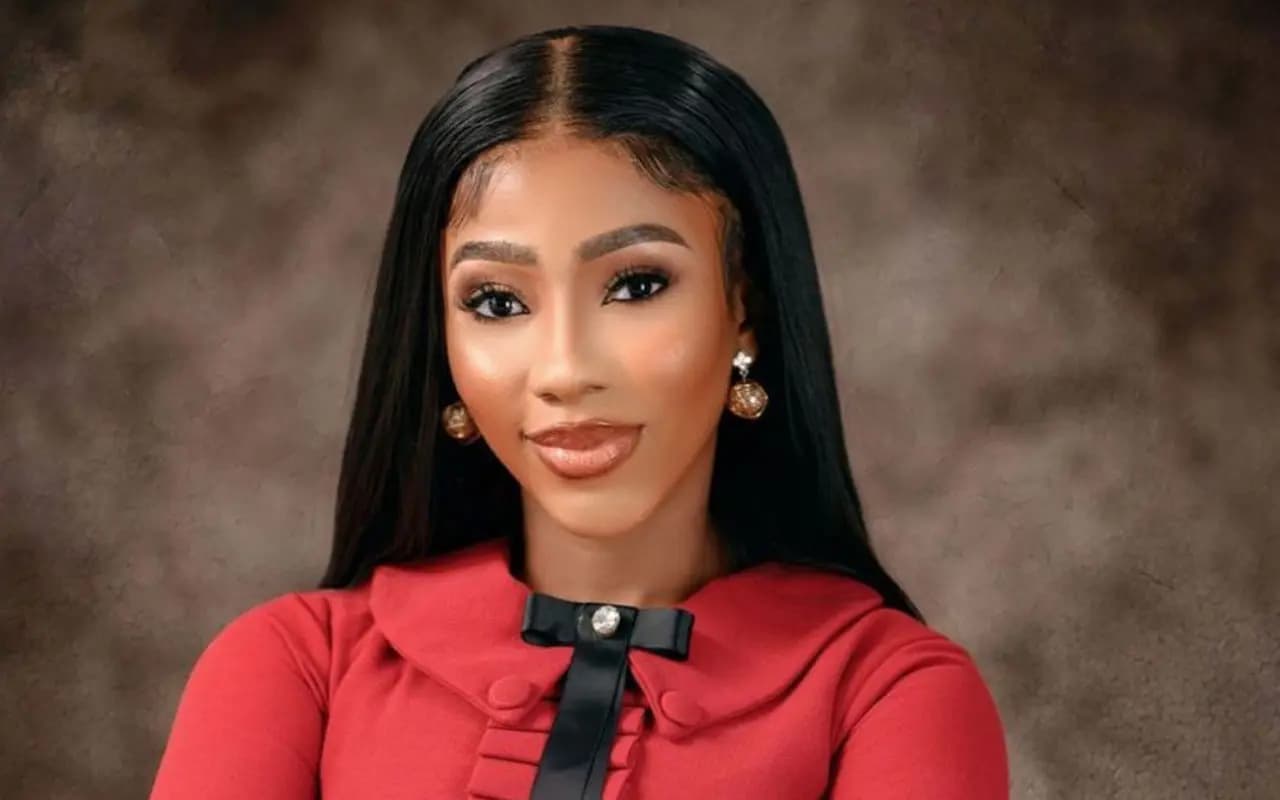
One of the most talked-about voices is Mercy Eke, former Big Brother Naija winner. In a recent interview, she declared: “I’m ready to have a child outside marriage.”
She went on to explain that she’s worked hard, believes in her capacity to raise children independently, and wouldn’t see having a child without a father in the picture as a sign of failure.
She even talked about being prepared to raise up to three children on her own.
But the conversation isn’t limited to Mercy. Her remarks signal a broader generational rethinking
of what “family” means. It’s not just about survival or financial support — for many, motherhood
is now deeply tied to personal fulfillment and self-definition.
FINANCIAL INDEPENDENCE + EMOYIONAL AUTONOMY
Part of why this trend is resonating is that more women now have the financial resources to
support children on their own. They’re not relying solely on a partner to build a family; they see
themselves as fully capable mothers. Mercy’s point is powerful: for her, the stigma around children without a father is largely tied to assumptions about instability or lack of success —assumptions she feels don’t apply to her.
But it's not just about money. There’s also a shift in emotional and social ideals. Many women now prioritize their own readiness, not just in terms of a relationship, but also in self-actualization. They ask: Why wait to have a child if you're ready emotionally, spiritually, and financially?
CULTURAL TENSIONS AND CRITICISM
Of course, not everyone is on board. In a society where traditional values still hold enormous weight, many still view motherhood outside of marriage as morally or socially problematic.
Critics argue that this shift undermines family structures or promotes irresponsibility.
Yet, for many young women, these critiques feel outdated. They see their decision as an act of empowerment, not rebellion — a way to define life on their own terms rather than through societal expectations.
THE ROLE OF PUBLIC FIGURES
Public figures like Mercy help normalize these conversations. By speaking out so openly, she
encourages others (especially young women) to consider what motherhood means for them personally, rather than deferring to cultural dictates.
As more women in the public eye share their stories, they help chip away at stigma. The narrative isn’t just “having a baby out of wedlock” — it’s “choosing when and how to have a baby,” and that can be a deeply personal, intentional, and liberated choice.
LOOKING FORWARD
This trend raises important questions for Nigerian society: How do we support single mothers, both emotionally and practically? Do our social, legal, and religious institutions evolve to reflect these changing family models?
Ultimately, this isn’t just about celebrity bravado —it’s part of a larger cultural transformation.
Young Nigerian women are rethinking old paradigms, demanding autonomy over their bodies, and redefining what it means to build a family. And that could have far-reaching implications for how Nigeria understands marriage, responsibility, and parenthood in the decades to come.
Discussion (0)
Loading comments...